
FEATURE SPOTLIGHT
Your lobby is not a DMV
Seed TV Queue puts the line on screen — who's next, whose order is ready — so shoppers stop guarding a spot and start browsing. Nobody shouts names over the counter.
THE PROBLEM
A line you can't see feels twice as long
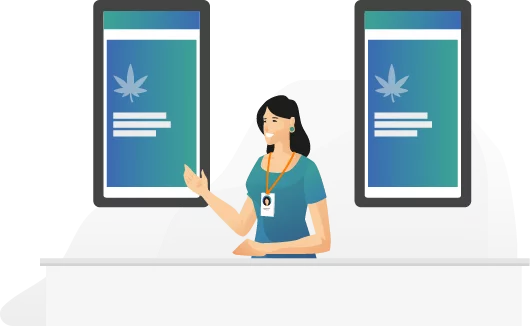
Walk-ins and pickup orders collide at the counter, staff call names into the noise, and customers cluster where they can hear — right in front of the register. The wait doesn't just cost patience. It pushes people out the door before they buy.
THE FIX
Put the line on the wall
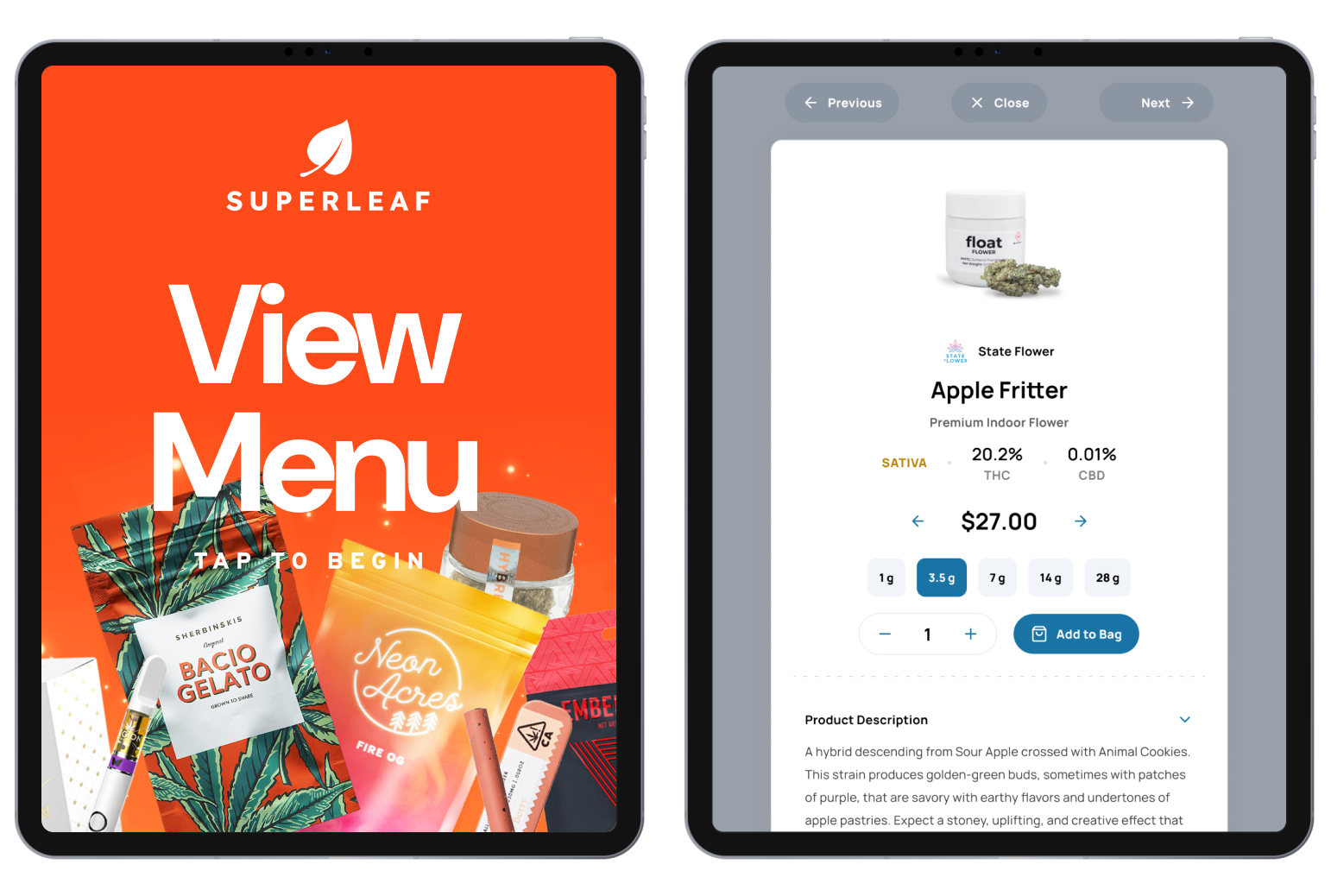
Seed TV Queue shows shoppers when they're next up and when their order is ready. Once people trust the screen, they release the line — they sit down, they wander the showroom, they add one more thing to the basket. The counter clears without anyone hiring for it.
ONE WALL, MANY JOBS
Queue on one screen, menus and deals on the rest
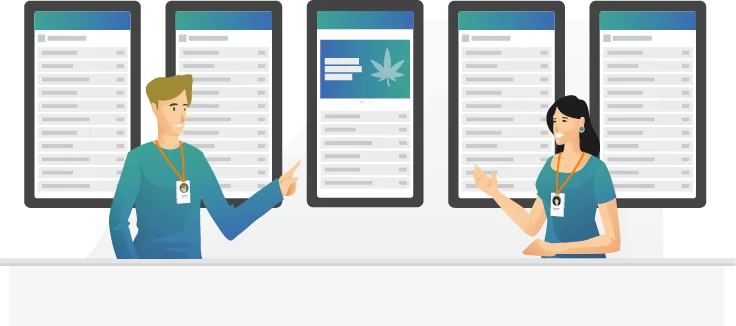
Every screen has a job. Give the queue its own screen in the lobby, or build a layout that runs the queue beside your menu. Pair it with Seed TV menus and the wait becomes the best selling time you have.
What changes when the line goes on screen
Shoppers Browse, Not Wait
When people can see their place in line, they let go of it — and wander back into the showroom where the spending happens.
Fewer "Am I Next?" Interruptions
The screen answers the question before anyone asks it, so budtenders and front desk stay on the work.
Calm at Peak Hours
Friday rush with a visible, orderly queue feels busy. The same rush with a shapeless crowd feels broken.
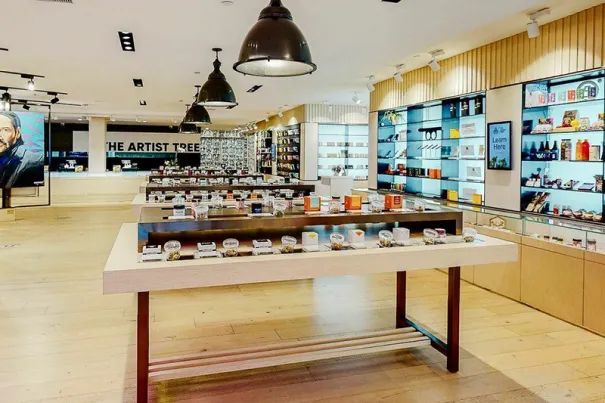
“It's definitely a throughput ROI ... Seed screens help us process people quicker than we could without them.”
Queue board questions, answered
What does Seed TV Queue actually show?
Do I need separate hardware for a queue board?
Can the queue share a screen with menus and promos?
Does a queue board really change how much people buy?
What kind of stores get the most from it?
GET STARTED
Bring your busiest hour to the demo.
We'll map the queue to your floor — which screen carries it, what runs beside it, and how pickup and walk-ins flow past each other instead of into each other.